Statuettes and Scrolling: Has the Juno Awards Lost the Plot with a New Generation of Canadian Music Fans?
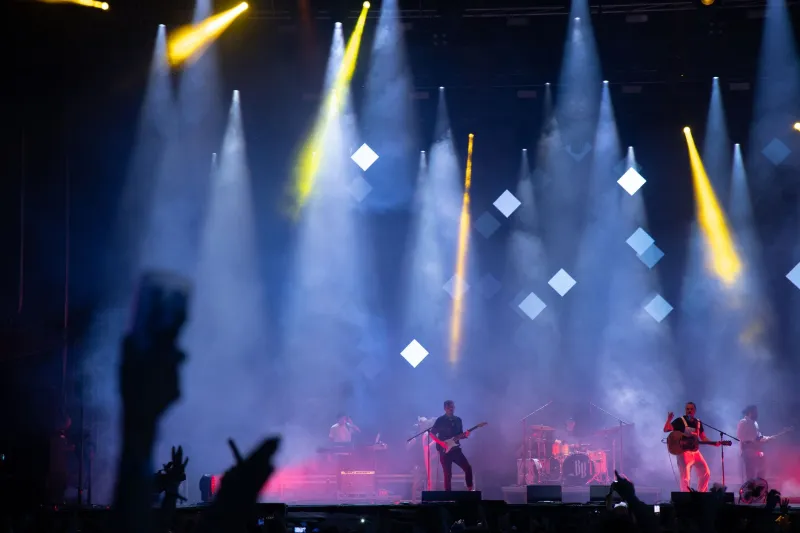
There's a particular kind of cognitive dissonance that hits when you're watching the Juno Awards broadcast and you realize you haven't heard of half the nominees. Not because you're out of touch — but because the artists you have been listening to, the ones blowing up your For You Page and racking up millions of streams, aren't anywhere near that stage.
That gap used to be explainable. Award shows lag behind culture. They always have. But the lag is starting to feel less like a delay and more like a permanent disconnect, and it's worth asking, plainly and without too much reverence for legacy, whether Canada's most prominent music institution is drifting away from the very audience it needs most.
What the Junos Were Built to Do
Let's be fair to the history here. The Juno Awards were created in an era when Canadian music needed institutional protection just to survive. The CRTC's CanCon regulations, the Recording Academy of Canada's early advocacy work, the Junos themselves — these weren't vanity projects. They were defensive structures built to ensure that Canadian artists had a fighting chance against the overwhelming commercial dominance of American music.
For decades, that mission worked. Winning a Juno meant something tangible: radio airplay, retail placement, industry credibility. It meant that programmers and label executives paid attention to you. In a world where gatekeepers controlled access to audiences, the Junos were a key to a very important door.
The problem, of course, is that the door is no longer the only way in.
The Algorithm Has Its Own Awards Show
Ask a 19-year-old in Winnipeg or Dartmouth or Kelowna how they discovered their favourite Canadian artist, and the answer is almost never "I saw them win a Juno." It's a TikTok video. A Spotify playlist. A YouTube rabbit hole at 1 a.m. An Instagram Reel that someone's older sister shared.
The platforms have become the gatekeepers now, and they operate on entirely different logic. They don't care about industry consensus or peer voting committees. They care about engagement metrics, completion rates, and the kind of raw, unmediated connection between a song and a stranger that either happens in the first fifteen seconds or doesn't happen at all.
In that environment, going viral is validation. A track with 40 million TikTok uses is, by any reasonable measure, more culturally significant to its audience than a Juno nomination that the same audience couldn't identify in a lineup. That's not a criticism — it's just arithmetic.
And yet the industry's institutional response has largely been to add a category. A few years back, the Junos introduced TikTok-adjacent acknowledgements and social media milestones into their promotional language, which is a bit like a newspaper adding a podcast and calling itself a tech company. The gesture is there. The transformation isn't.
The Credibility Problem Nobody Wants to Name
Here's the uncomfortable part. The Junos, like most legacy award shows, derive their authority from a closed loop of industry insiders — labels, managers, publicists, radio programmers — who vote for each other's artists in ways that reflect existing commercial relationships as much as they reflect artistic merit or cultural impact.
That's not a scandal. It's how these things have always worked. But younger artists and younger fans increasingly see through it, and they're not particularly impressed by what they find. When an artist who's been dominating Canadian streaming charts and selling out theatres across the country gets overlooked in favour of someone with better label infrastructure and a longer industry relationship, people notice. And they talk about it online, loudly, with receipts.
The credibility gap between what the Junos celebrate and what Canadian music fans are actually experiencing in their daily listening lives has become impossible to ignore. It's not that the Junos are picking bad artists — many of the nominees and winners are genuinely excellent. It's that the selection process feels increasingly like a conversation happening in a room that most listeners aren't invited into.
Is Reinvention Even Possible?
Some people inside the industry argue that the Junos just need better marketing, a younger host, a more dynamic broadcast format. Get the right TikTok creators in the seats. Stream it on the right platforms. Make it feel less like a gala and more like a cultural event.
There's something to that. Presentation matters. But it's a surface-level fix for a structural problem.
If the Junos genuinely want to reconnect with a generation that discovers music through algorithms and validates it through community engagement rather than institutional endorsement, the reinvention has to go deeper than a new broadcast partner. It means rethinking who gets to vote, what criteria actually matter, and whether the categories themselves reflect how Canadians are making and consuming music in 2025.
There's a version of this that could work. An awards show that actively champions independent artists, that incorporates audience data in meaningful ways, that creates space for genres and scenes that have been historically marginalised — hip-hop, electronic music, the genuinely wild things happening in Canadian R&B right now — could be something worth watching. Something worth caring about.
But that would require the institutions that built the Junos to loosen their grip on what the Junos are supposed to be. And institutions, by their nature, are not great at that.
What Doesn't Change
Here's the thing I keep coming back to, though. The artists don't stop being Canadian just because the Junos don't know what to do with them. The music doesn't get less interesting because a voting committee didn't notice it. The scenes happening in Montreal basements and Vancouver DIY spaces and Toronto's endlessly generative R&B underground are thriving with or without institutional blessing.
In some ways, the irrelevance of legacy gatekeepers is a kind of freedom. Canadian artists today don't need the Junos to build an audience. They don't need CanCon radio play to find listeners in other countries. They have tools their predecessors couldn't have imagined, and a lot of them are using those tools brilliantly.
The question of whether the Junos can stay relevant is, in the end, the Junos' problem to solve. The music is going to keep happening regardless. Whether there's a statuette waiting at the end of it is, for a growing number of Canadian artists and fans, increasingly beside the point.